
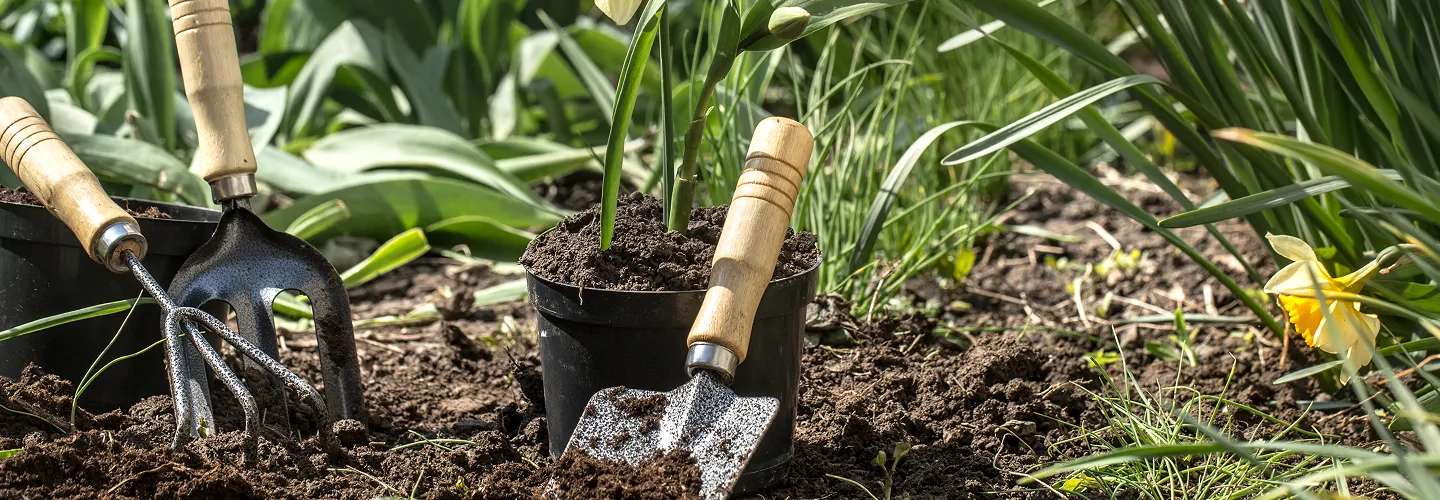
Alamo Heights Flower Bed Maintenance Services
Choose our Flower Bed Maintenance for expert care that keeps your beds blooming, weed-free, and healthy all year—so you can enjoy a stunning landscape without the hassle.
Get a Free QuoteOur Alamo Heights Landscaping & Yard Care Services
When to Schedule Flower Bed Maintenance in Alamo Heights, Texas – Seasonal Guide
In Alamo Heights, Texas, the best times for flower bed maintenance are closely tied to our unique climate and local landscape features. Spring and early fall are generally optimal, as these periods offer moderate temperatures and consistent rainfall, allowing plants to recover quickly from pruning, mulching, and soil amendments. The last frost typically occurs in late February, making March an ideal time to refresh beds and introduce new plantings. Conversely, late October is perfect for preparing beds for winter, especially in shaded areas near Olmos Basin Park or along the tree-lined streets of the Monte Vista Historic District.
Local environmental factors such as periodic droughts, high summer humidity, and the region’s clay-heavy soils all play a role in determining the best maintenance schedule. Homeowners should also consider municipal watering restrictions and the microclimates created by mature oak canopies or proximity to the San Antonio River. For more information on local environmental guidelines, visit the Sudbury municipal site.
Local Factors to Consider for Flower Bed Maintenance in Alamo Heights
- Tree density and shade coverage, especially near historic neighborhoods
- Soil composition (clay vs. loam) and drainage
- Annual precipitation patterns and drought risk
- Frost dates and seasonal temperature swings
- Municipal watering restrictions and local ordinances
- Terrain variations, such as sloped yards or proximity to creeks
Benefits of Flower Bed Maintenance in Alamo Heights
Enhanced Curb Appeal
Weed and Pest Prevention
Healthier Plant Growth
Seasonal Color Management
Professional Expertise
Time and Effort Savings
Alamo Heights Flower Bed Maintenance Types

Seasonal Flower Planting
-
Weed Control Services
-
Mulching and Soil Conditioning
-
Pruning and Deadheading
-
Fertilization Programs
-
Pest and Disease Management
-
Irrigation System Maintenance
Our Flower Bed Maintenance Process
Site Evaluation
Weed Removal
Soil Preparation
Plant Care
Mulching
Why Choose Alamo Heights Landscape Services
-
Alamo Heights Homeowners Trust Us
-
Expert Lawn Maintenance
-
Reliable Scheduling
-
Competitive Pricing
-
Professional Team
-
Satisfaction Guarantee
-
Personalized Service
Soil Series and Drainage Considerations for Flower Beds in Alamo Heights
Alamo Heights is characterized by Houston Black clay and Branyon clay loam soils, as identified by the USDA Web Soil Survey. These soils are moderately alkaline (pH 7.5–8.2) and exhibit slow permeability, leading to periodic drainage challenges in flower beds. Proper maintenance requires incorporating 2–3 inches of compost tilled to a 6-inch depth to improve structure and water infiltration. Soil testing is recommended every 2–3 years, with services available through Texas A&M AgriLife Extension. For beds near low-lying areas or stormwater inlets, maintain a 25-foot buffer from drainage channels to comply with local stormwater management ordinances. Mulching at a 2–3 inch depth helps moderate soil temperature and moisture.
Alamo Heights TX Public Works
6116 Broadway, Alamo Heights, TX 78209
Phone: (210) 824-6431
Official Website: Alamo Heights TX Public Works
provides guidance on soil amendments and drainage improvements for residential landscapes.
Seasonal Timing and Climate Zone Guidance for Alamo Heights Flower Beds
Alamo Heights is located in USDA Hardiness Zone 9a, with average annual minimum temperatures of 20–25°F. The optimal window for planting and major flower bed maintenance is from February 15 to April 15 for spring, and September 15 to October 31 for fall. Avoid heavy soil disturbance or fertilization from June through August due to heat stress and water restrictions. Monitor local weather conditions using the National Weather Service San Antonio Office, which provides real-time updates on rainfall and temperature trends. Key timing recommendations include:
- Spring planting: February 15 – April 15 (soil temp 55–65°F)
- Fall planting: September 15 – October 31 (before first frost)
- Mulch renewal: March and October
- Fertilization: Early March and late September
Municipal Collection, Disposal, and Permit Requirements for Flower Bed Debris
Alamo Heights mandates that all yard waste, including flower bed debris, be placed curbside in biodegradable bags or reusable bins (32-gallon maximum) for weekly collection every Thursday, April through November. Branches must be under 4 feet in length and less than 4 inches in diameter. Plastic bags are prohibited. For large-scale bed renovations or removal of over 2 cubic yards of material, a debris disposal permit is required, with a $25 application fee and a 3–5 business day review period. Residents must not place soil or plant waste in storm drains, as this violates the city’s MS4 permit under the Clean Water Act.
Alamo Heights TX Public Works
6116 Broadway, Alamo Heights, TX 78209
Phone: (210) 824-6431
Official Website: Alamo Heights TX Public Works
provides collection schedules and permit applications.
Environmental Compliance: Stormwater, Buffer Zones, and State Regulations
Flower bed maintenance in Alamo Heights must comply with the Texas Water Code and Texas Commission on Environmental Quality (TCEQ) MS4 stormwater regulations. No fertilizer or pesticide application is permitted within 50 feet of the San Antonio River or other designated water bodies. Maintain a 25-foot no-disturbance buffer from wetlands and drainage ditches. All clippings and soil must be contained to prevent runoff into storm drains. The city enforces these requirements through regular inspections and penalties for violations. For technical guidance on buffer zones and chemical use, consult Texas A&M AgriLife Extension.
Alamo Heights TX Environmental Health
6116 Broadway, Alamo Heights, TX 78209
Phone: (210) 824-6431
Official Website: Alamo Heights TX Environmental Health
oversees local compliance.
Plant Selection and Native Species Recommendations for Alamo Heights Beds
Selecting appropriate species is critical for sustainable flower bed maintenance in Alamo Heights. Recommended native and adapted perennials for full sun include:
- Black-eyed Susan (Rudbeckia hirta)
- Purple coneflower (Echinacea purpurea)
- Autumn sage (Salvia greggii)
- Gulf Coast penstemon (Penstemon tenuis) For partial shade, consider:
- Turk’s cap (Malvaviscus arboreus)
- Cedar sage (Salvia roemeriana)
- Heartleaf skullcap (Scutellaria ovata) Deer-resistant options: Russian sage, lantana, and society garlic. Plant spacing should be 12–18 inches for groundcovers and 18–24 inches for larger perennials. For additional guidance, refer to Texas A&M AgriLife Extension plant lists and the USDA Plant Hardiness Zone Map.
What Neighborhoods Do We Serve Throughout Alamo Heights, TX?
- Blue Bonnet Hills: Features mature tree canopy and compacted clay soils, requiring frequent soil amendment and careful drainage management for flower beds.
- Alamo Heights Estates: Large lots with established landscaping and proximity to the San Antonio River, necessitating strict buffer compliance and runoff control.
- Crestview: Characterized by smaller lots and moderate slopes, with occasional drainage issues and higher risk of soil erosion during heavy rains.
- Broadway Corridor: Urbanized area with mixed commercial-residential use, limited green space, and increased impervious surfaces impacting bed placement and irrigation.
- Olmos Park Terrace: Historic district with older homes, shallow utility lines, and unique soil fill conditions, requiring careful excavation and planting depth adjustments.
- Cambridge: Close to city parks and conservation areas, with sandy loam pockets and higher wildlife activity, influencing plant selection and maintenance schedules.
- College Heights: Features newer developments, HOA landscaping standards, and improved drainage infrastructure, but may have stricter planting and maintenance guidelines.