
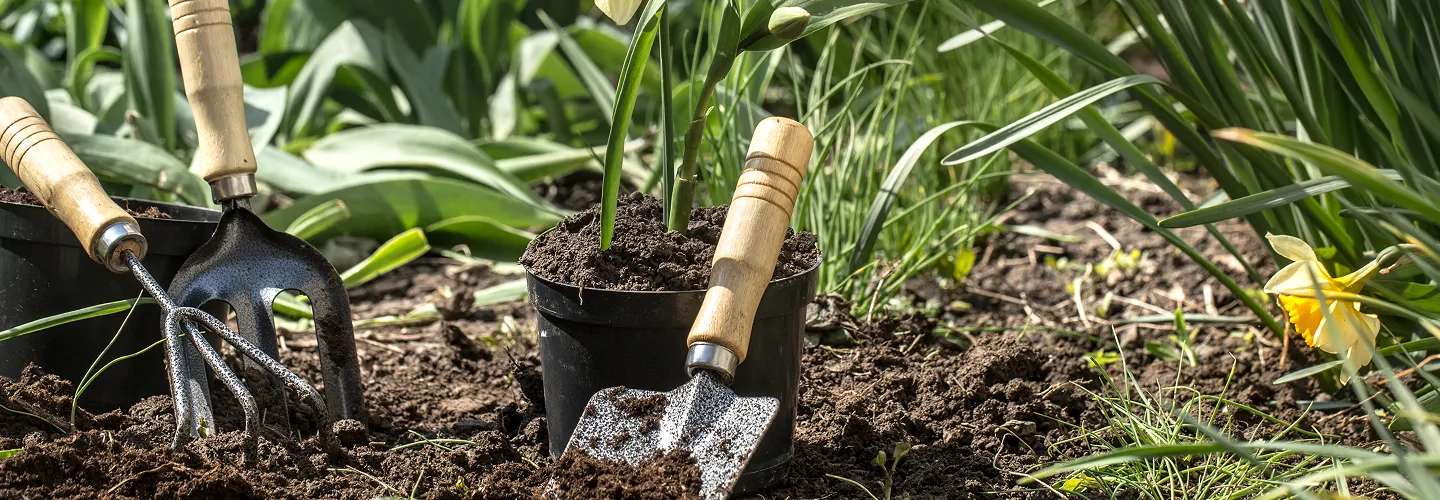
Alamo Heights Flower Planting Services
Choose our flower planting services for vibrant, expertly arranged blooms that thrive in Alamo Heights’ unique climate—bringing lasting beauty and curb appeal to your home.
Get a Free QuoteOur Alamo Heights Landscaping & Yard Care Services
When to Schedule Flower Planting in Alamo Heights, Texas – Seasonal Guide
Flower planting in Alamo Heights is best scheduled with careful attention to our region’s unique climate and landscape. The optimal planting windows typically fall in early spring (late February to early April) and again in early fall (late September to October), when temperatures are moderate and rainfall is more predictable. These periods allow new plantings to establish strong roots before the intense summer heat or occasional winter chills set in. Neighborhoods near the San Antonio Country Club or along Broadway often experience microclimates due to mature tree canopies and proximity to the Olmos Basin, which can influence soil moisture and sunlight exposure.
Local environmental factors such as late spring frost dates, the risk of summer drought, and the area’s clay-heavy soils all play a role in determining the best time for planting. Shade coverage from heritage oaks, especially in areas like Alamo Heights High School or the Cambridge Oval, can affect which flower varieties will thrive. For more detailed local climate data and planting recommendations, consult resources like the Sudbury municipal site.
Local Factors to Consider for Flower Planting in Alamo Heights
- Tree density and shade from mature oaks and pecans
- Soil composition, particularly clay and limestone content
- Seasonal precipitation patterns and drought risk
- Proximity to landmarks like Olmos Park or the San Antonio Country Club
- Municipal watering restrictions and local ordinances
- Terrain variations, including slopes and drainage patterns
Benefits of Flower Planting in Alamo Heights
Enhanced Curb Appeal
Seasonal Color Variety
Expert Plant Selection
Professional Garden Design
Low-Maintenance Solutions
Increased Property Value
Alamo Heights Flower Planting Types

Seasonal Annual Flower Beds
Brighten your landscape with vibrant annuals that thrive in Alamo Heights' climate.
-
Perennial Flower Gardens
Enjoy long-lasting beauty with perennials that return year after year.
-
Native Texas Wildflower Plantings
Enhance sustainability with low-maintenance native wildflowers.
-
Shade-Loving Flower Arrangements
Create lush, colorful displays in shaded areas of your property.
-
Drought-Tolerant Flower Beds
Conserve water with beautiful, resilient drought-tolerant blooms.
-
Pollinator-Friendly Flower Gardens
Attract bees, butterflies, and hummingbirds with pollinator-friendly plantings.
-
Container Flower Planting
Add flexibility and style with expertly designed container flower arrangements.
Our Flower Planting Process
Site Evaluation
Soil Preparation
Plant Selection
Careful Planting
Watering and Mulching
Why Choose Alamo Heights Landscape Services
-
Alamo Heights Homeowners Trust Us
-
Expert Lawn Maintenance
-
Reliable Scheduling
-
Competitive Pricing
-
Professional Team
-
Satisfaction Guarantee
-
Personalized Service
Soil Series and Drainage Considerations for Flower Planting in Alamo Heights
Flower planting in Alamo Heights requires careful attention to the city’s predominant soil series, including Houston Black clay and Branyon clay loam, as identified by the USDA Web Soil Survey. These soils are characterized by high clay content, pH levels typically ranging from 7.5 to 8.2, and slow drainage, which can lead to water retention and root stress. To improve planting outcomes, incorporate 2-3 inches of compost tilled to a 6-inch depth and consider gypsum amendments for compaction. Soil testing is recommended through Texas A&M AgriLife Extension (typical cost: $15-25). Key recommendations include:
- Avoid planting in areas with standing water after rainfall
- Use raised beds for improved drainage
- Select species tolerant of alkaline soils
Alamo Heights TX Public Works
6116 Broadway, Alamo Heights, TX 78209
Phone: (210) 824-6431
Official Website: Alamo Heights TX Public Works
Seasonal Timing and Climate Zone Guidance for Alamo Heights Flower Planting
Alamo Heights is located in USDA Hardiness Zone 9a, with average annual minimum temperatures of 20-25°F. The optimal window for planting most annual and perennial flowers is from March 1 to April 15, when soil temperatures reach 55-65°F. Fall planting of perennials is best completed by October 15 to allow root establishment before winter. The National Weather Service San Antonio Office provides up-to-date soil temperature and rainfall forecasts. Timing recommendations:
- Spring planting: March 1 – April 15 (soil temp 55-65°F)
- Fall planting: September 15 – October 15
- Avoid planting during peak summer (June-August) due to heat stress
Monitor local weather advisories for late frost risks and heavy rainfall events that may delay planting.
Native and Drought-Tolerant Flower Species for Alamo Heights Landscapes
Selecting appropriate species is essential for sustainable flower planting in Alamo Heights. Native and drought-tolerant varieties are recommended due to the region’s alkaline soils and periodic drought conditions. The following species are well-suited for local conditions:
- Black-eyed Susan (Rudbeckia hirta)
- Winecup (Callirhoe involucrata)
- Autumn sage (Salvia greggii)
- Mexican bush sage (Salvia leucantha)
- Gulf Coast penstemon (Penstemon tenuis)
- Turk’s cap (Malvaviscus arboreus)
Spacing should be 12-18 inches apart for most perennials. For additional guidance, consult Texas A&M AgriLife Extension for regionally adapted plant lists and maintenance protocols.
Municipal Regulations and Environmental Compliance for Flower Planting in Alamo Heights
All flower planting activities in Alamo Heights must comply with city ordinances regarding landscape modifications, water conservation, and stormwater management. Irrigation of new plantings is restricted to:
- Monday, Wednesday, Friday: 7:00 AM – 11:00 AM and 7:00 PM – 11:00 PM
- Prohibited on weekends and during rainfall events
A 25-foot buffer must be maintained from any designated wetland or drainage channel. The city’s MS4 permit, regulated under the Clean Water Act and Texas Water Code, prohibits soil or mulch runoff into storm drains. For projects exceeding 500 sq ft, a landscape permit may be required; application fee is typically $50 with a 10-business-day review period.
Alamo Heights TX Planning & Development Services
6116 Broadway, Alamo Heights, TX 78209
Phone: (210) 826-0516
Official Website: Alamo Heights TX Planning & Development Services
Safety Protocols and Equipment Standards for Flower Planting Operations in Alamo Heights
To ensure public safety and compliance with city standards, all flower planting operations in Alamo Heights must adhere to the following equipment and personal protective equipment (PPE) requirements:
- Eye protection: ANSI Z87.1 safety glasses
- Hearing protection: Earmuffs or plugs for equipment exceeding 85 dB
- Footwear: Steel-toed boots with non-slip soles
- Gloves: Cut-resistant for pruning, chemical-resistant for fertilizer or pesticide application
Equipment operation is permitted only during:
- Monday-Friday: 7:00 AM – 7:00 PM
- Saturday: 8:00 AM – 6:00 PM
- Sunday and holidays: Prohibited
Maintain a 15-foot clearance from overhead utilities and follow all city-mandated traffic control measures when working near public roads.
Alamo Heights TX Environmental Health
6116 Broadway, Alamo Heights, TX 78209
Phone: (210) 822-3331
Official Website: Alamo Heights TX Environmental Health
What Neighborhoods Do We Serve Throughout Alamo Heights, TX?
- Blue Bonnet Hills: Characterized by mature tree canopies and compacted clay soils, requiring soil amendment and careful drainage management for successful flower planting.
- Crestview: Features a mix of historic homes and newer developments, with variable lot sizes and moderate slopes that influence plant selection and irrigation strategies.
- Alamo Heights Estates: Known for larger lots and proximity to Olmos Basin, necessitating compliance with buffer requirements near drainage channels and flood-prone areas.
- Broadway Corridor: High-traffic area with limited planting strips and frequent utility access, requiring coordination for equipment access and adherence to city right-of-way regulations.
- Cambridge: Dense residential area with smaller yards and potential for soil compaction, making raised beds and native species especially beneficial.
- Terrell Hills (adjacent service area): Includes properties with mixed soil profiles and HOA landscaping standards, requiring additional permit review for major planting projects.